This is kind of a story about rain.
In the weeks preceding a concert that'd bring about 150,000 people to Gainesville, a long, dry spring finally found some relief in what seemed to be the season's only real storm. Around the same time, a generation of lovebugs emerged for their brief spring flight.
They swarmed in what felt like biblical numbers — really just an entire generation arriving at once.
They flew into car grilles and made a foul smell. They clung to clothes and hitched rides into offices — prompting the same discussion everywhere from work breakrooms to Reddit threads: “They're everywhere."
They also died in great numbers.
Blankets, morbid piles — great patches — lay in wind-swept groups, wedged into graves against the stadium's walls.
May you be fortunate enough to die in grass.
Then, on the May 15 weekend, the stadium filled with people for the country music star Morgan Wallen's concert.
The following Monday, work felt different. Facilities crews were still cleaning up. The Florida Gym had flooded. More than three months later, our first floor was still barricaded.
The concert left garbage, too.
Excavators were brought in to move overflowing mounds of black contractor bags into dumpsters to be hauled off. The ground was littered with small black clips — rectangular plastic bodies with metal springs inside.
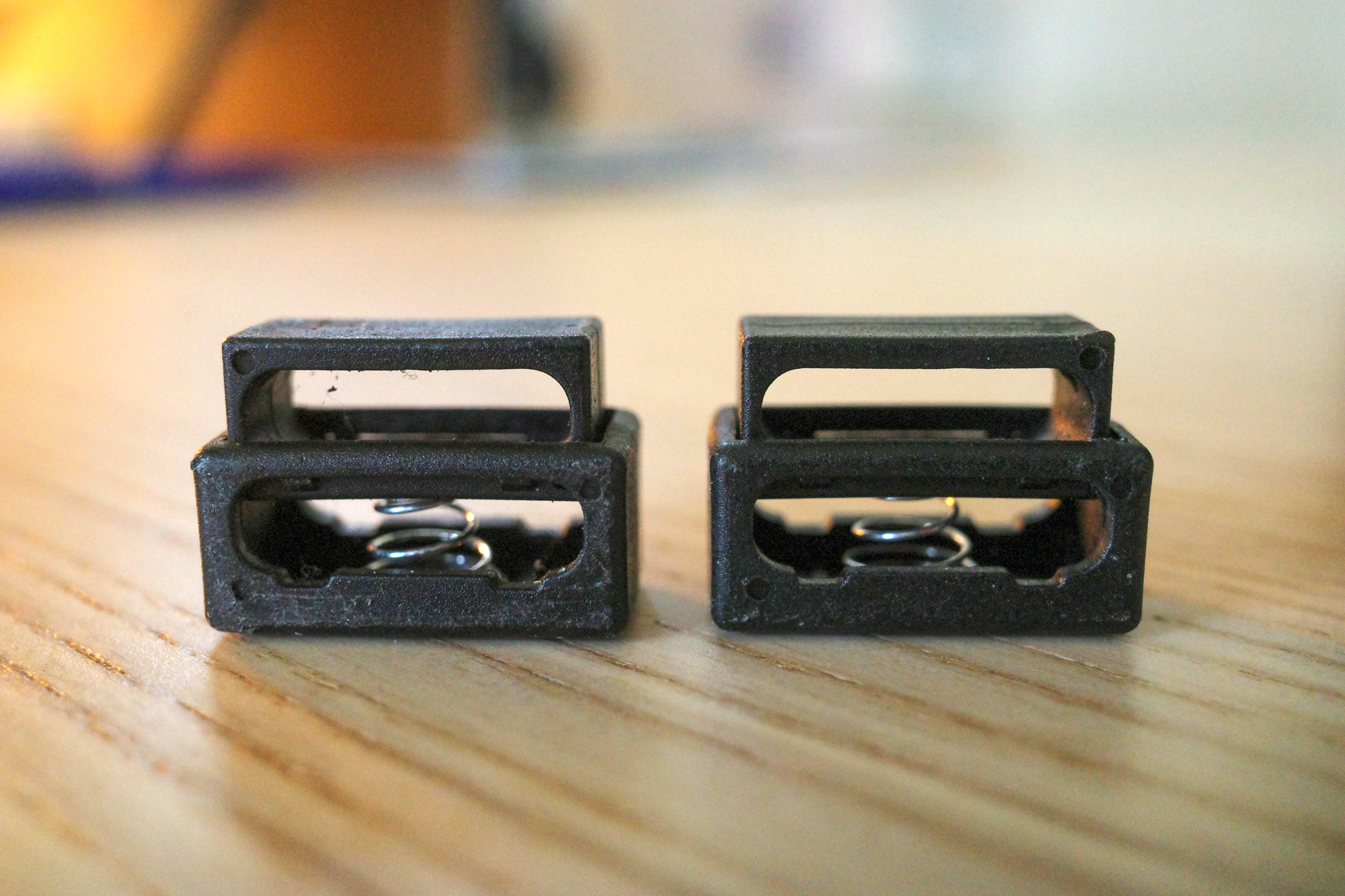
They were everywhere. I became convinced they had to belong to something important. Whatever they were, they seemed too common to be insignificant.
They lay among the lovebugs — little black objects scattered across the same dry pavement, their purpose already served.
May you be fortunate enough to be recycled.
Walking to my car after work with one of the college's deans, and learning he'd gone to the concert, I mentioned the black clips. As we walked along he simply said, “It goes to that."
And he pointed to another piece of litter.
Part II
Rise up your lights
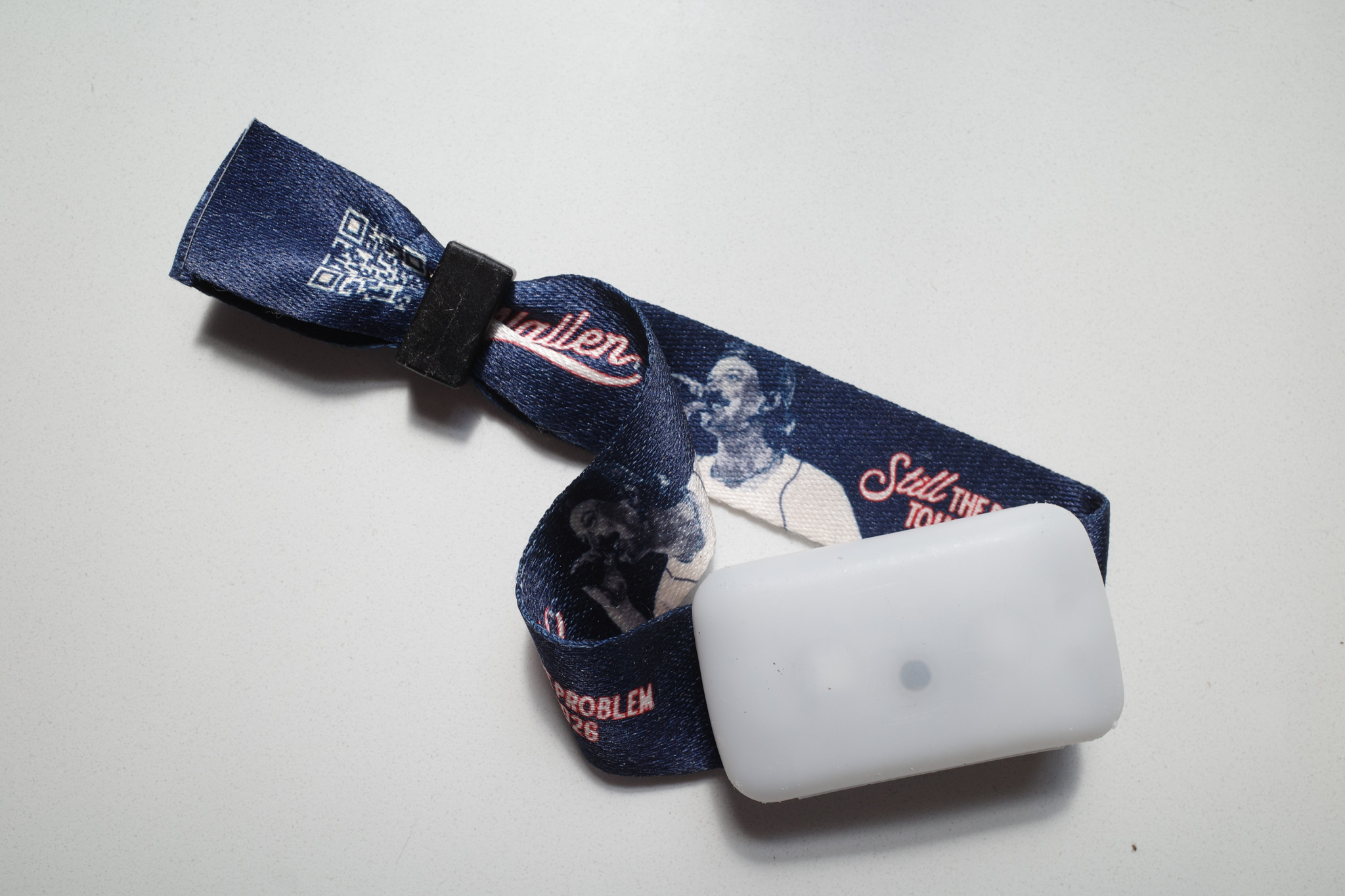
An opaque white fob attached to a navy elastic wristband lay on the sidewalk as Dr. Beatty and I walked past.
He explained that it was one of the light-up bracelets from the concert. I already knew the technology in passing. I'd seen it on social media during Taylor Swift's Eras Tour — a stadium-wide version of the same instinct that once made people hold up cigarette lighters, and later, illuminated cell phones. But now tens of thousands of tiny LEDs could pulse across an entire stadium in perfect synchronization.
Who was the first person to hold their lighter up?
Trying to avoid the embarrassment of picking up garbage in front of a dean, I told myself I'd grab it the next morning if it was still there.
Then I found four more.
You learn what to look for.
Most were separated from their elastic bands, so the devices looked like used ketchup packets on the ground. I imagine people — tired, maybe drunk — simply ripped them off and dropped them.
I'd scan the edges of pavement on my way to and from work. I'd duck under bushes, lifting low branches to peek around, and look between bike racks and bollards.
Finding the first one felt like solving a mystery. Then I found another. At first, two just felt luckier than one. Then I realized that these things had been designed to work by the tens of thousands. Having more than one meant I could actually start experimenting.
Then the stadium opened back up to the public.
I got a message from my friend:
Do you want more of these? A short walk through the stadium and I found more than I could carry.
Then, on what would turn out to be his last day before retirement, we spent our lunch hour climbing the stadium stairs — Easter egg hunting for wrist lights.
May you be fortunate enough to find a friend like Winston.
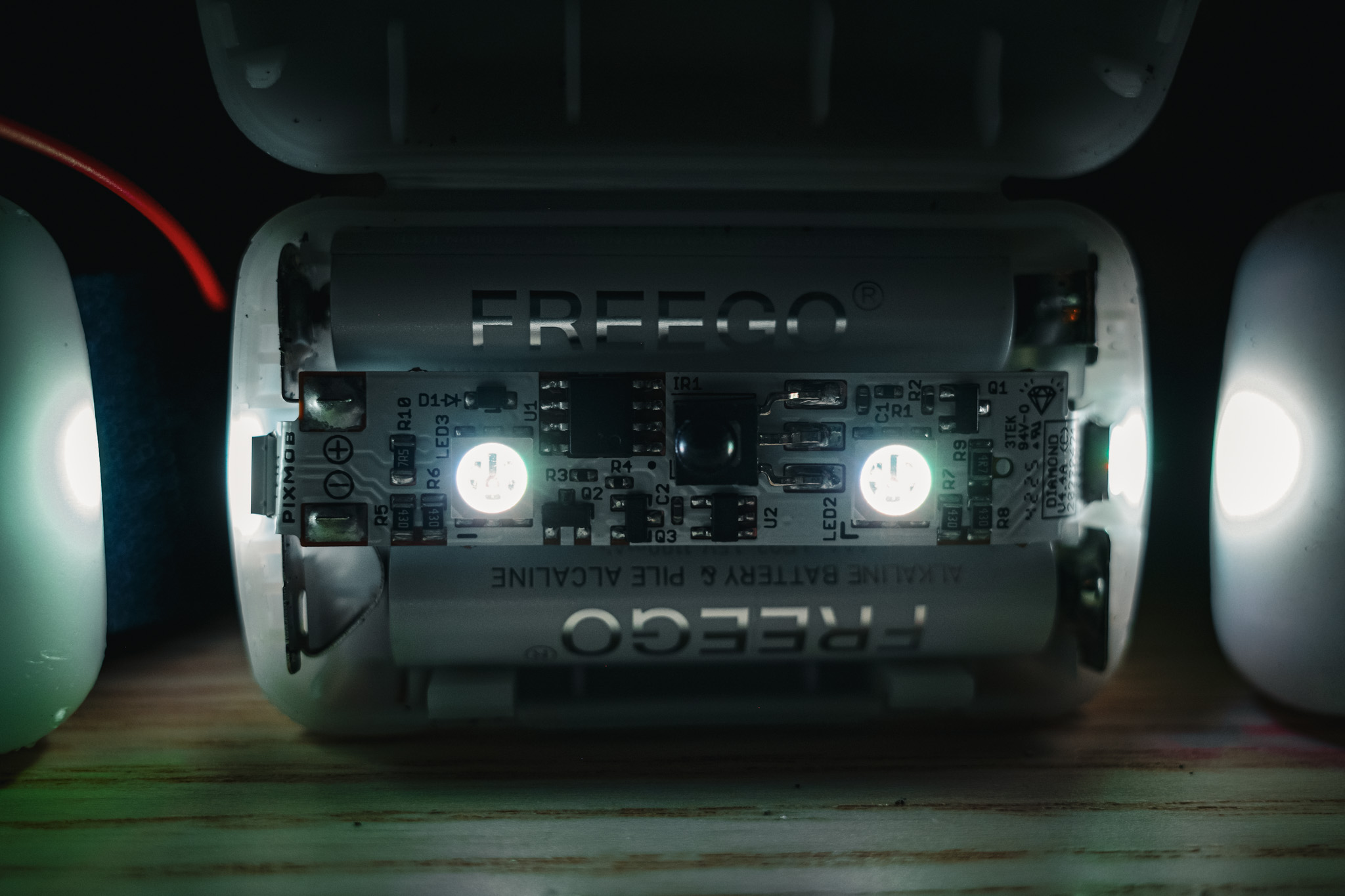
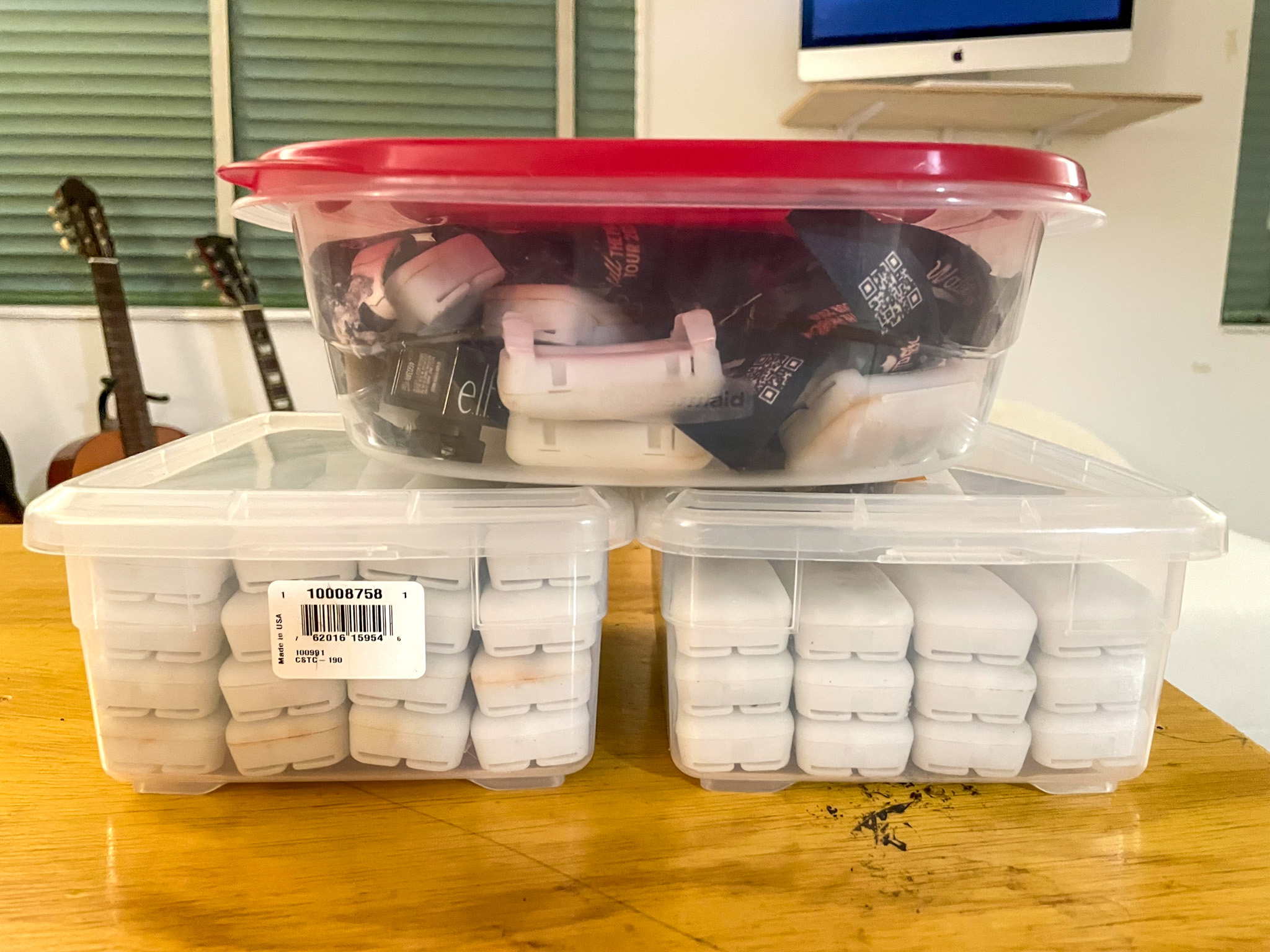
They only occasionally open the stadium to the public. By the time Winston and I wandered through, a few weeks had passed since the concert. There were still dozens of wristbands scattered throughout the stands. Some had landed beneath the aluminum benches, sheltered from the brutal Florida sun and the heavy rains that followed. Others had spent weeks fully exposed. Through their opaque white casings, I could already see the blue corrosion where leaking batteries had begun to eat away at the electronics.
I ended up with about 93 of them.
Part III
Making Light at Home
Project
Can I make a PixMob bracelet light up?
The technical part turned out to be surprisingly easy.
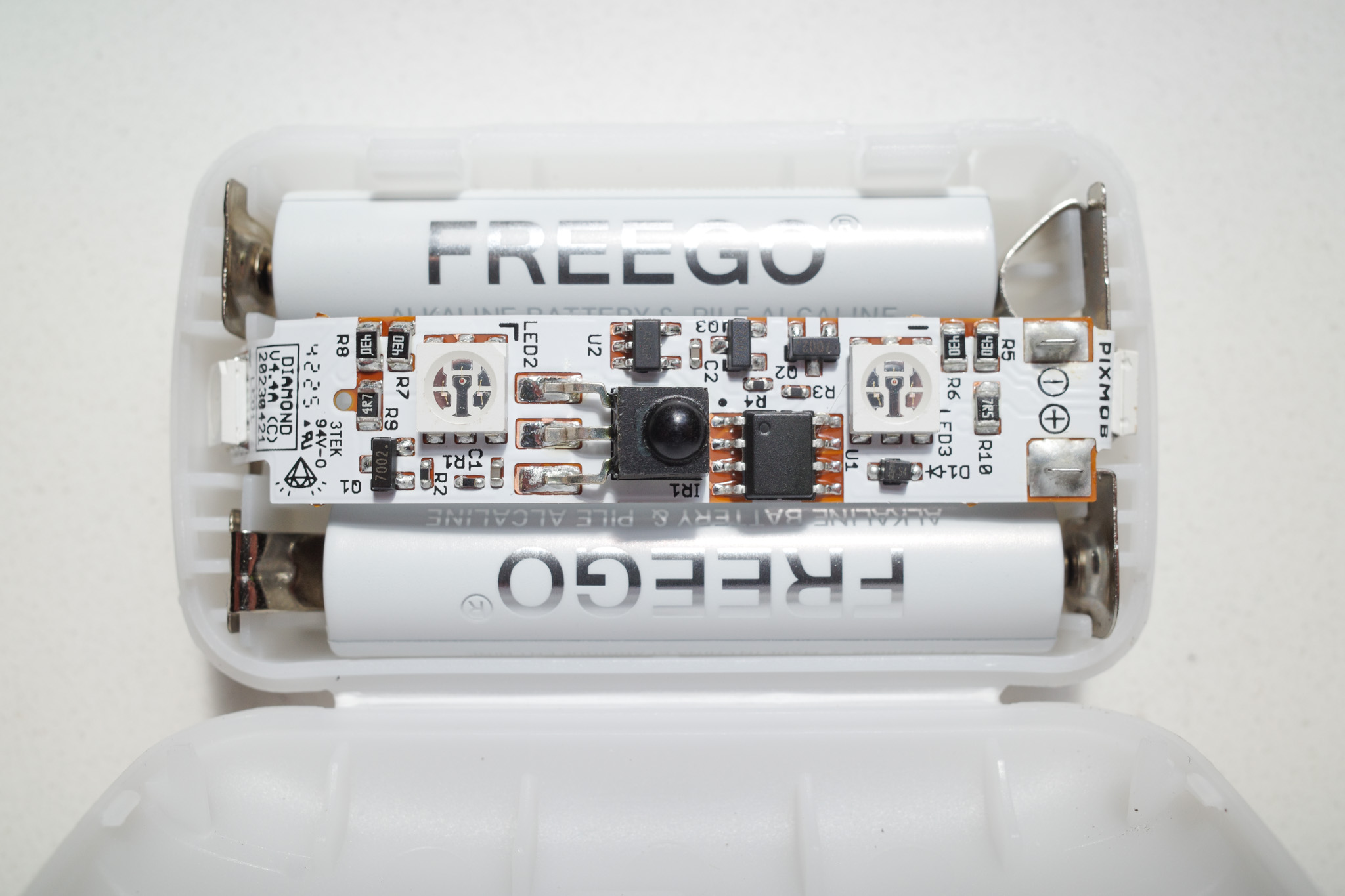
Before I even opened one up, I noticed a sticker on the back with a model number, lot number, manufacturing information and battery specifications. A quick Google search led me to the only two resources I really needed: PixMob's page for the X4 Gen3.1, and a YouTube video called Hacking the Pixmob LED bracelet (As used on Taylor Swift's Eras Tour).
Someone had already done the hard part.
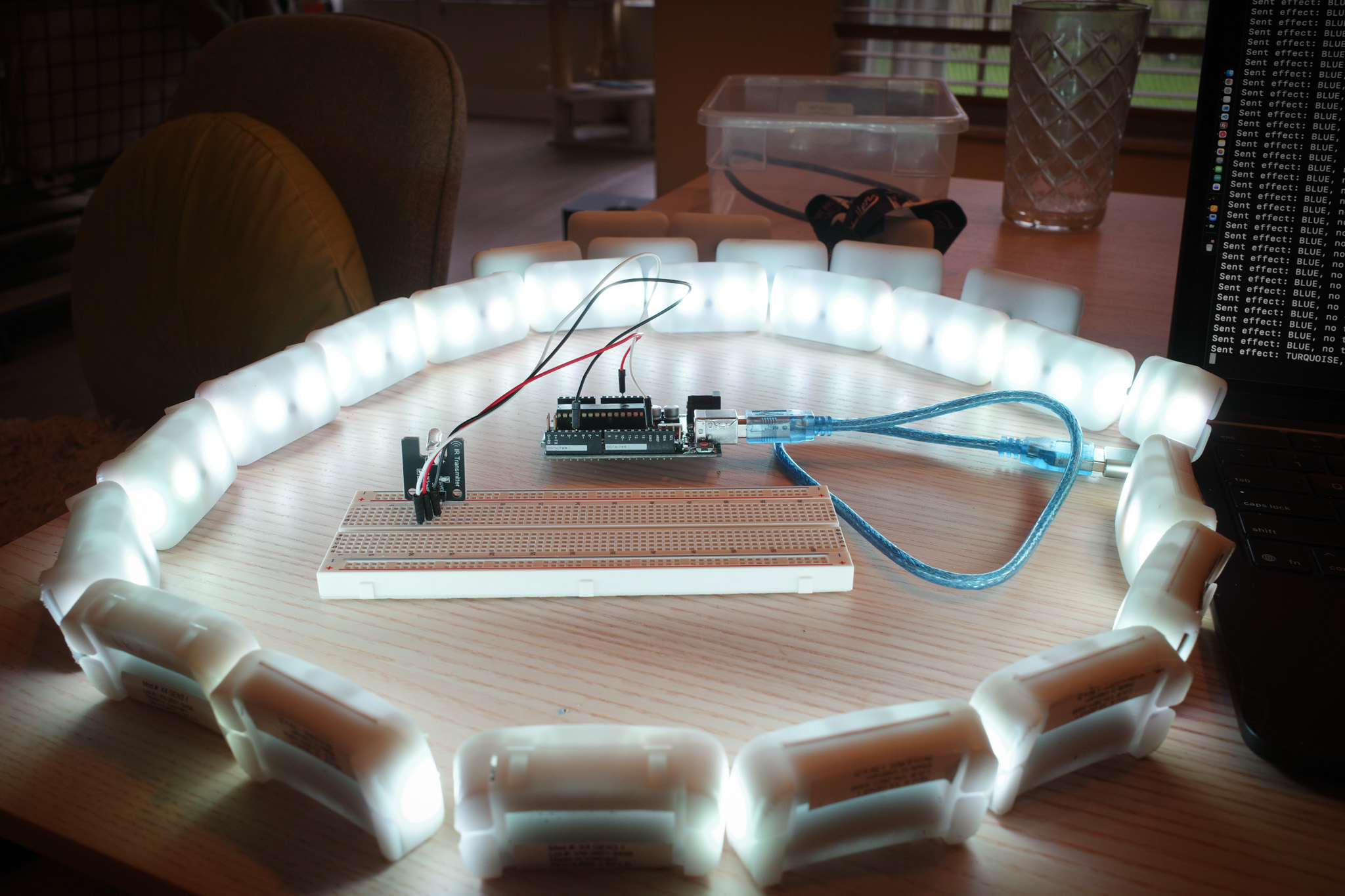
The video pointed me toward a reverse-engineering project on GitHub and confirmed that I already had most of what I needed: an Arduino, a breadboard and the code. The only missing piece was an infrared transmitter.
It cost about $16.
And that was basically it.
Understanding the Code
Despite the size of the repository, getting a basic effect working came down to only a few pieces:
PixMob_Transmitter_Arduino.ino  → runs on the Arduino
demo_single_effect.py           → sends an effect
effect_definitions.py           → defines colors and effects
The basic chain was simple enough: code runs on the Arduino, Python tells the Arduino what effect to send, and the infrared transmitter turns that command into light.
Then the wristband lights up.
They Turn the Lights Off at Hackerspace
The stranger part was getting used to infrared light being invisible while otherwise behaving very much like the light from a flashlight.
Having around 70 working wrist lights made infrared easier to see. Spread across a table, they became a field of tiny receivers: whichever ones could "see" the transmitter lit up.
I didn't fully appreciate that until I gave a small talk about the project at Gainesville Hackerspace.
They turned the lights off. The wristbands glowed across the table in different colors while I pointed the infrared transmitter toward them. At some point, almost instinctively, I waved my hand through the beam.
My hand cast a shadow.
Not a shadow I could see directly. The infrared light was still invisible. But across the grid of color-changing LEDs, a dark shape appeared wherever my hand blocked the signal.
It seems obvious afterward. Infrared is just light.
It was magical.
Afterward
I don't know what I'll build with them next.
I have a few ideas. Or I might let them retire and enjoy having an unreasonable number of free AAA batteries.
For now, though, I'm satisfied.
I found something on the ground. I figured out what it was. I learned how to talk to it.